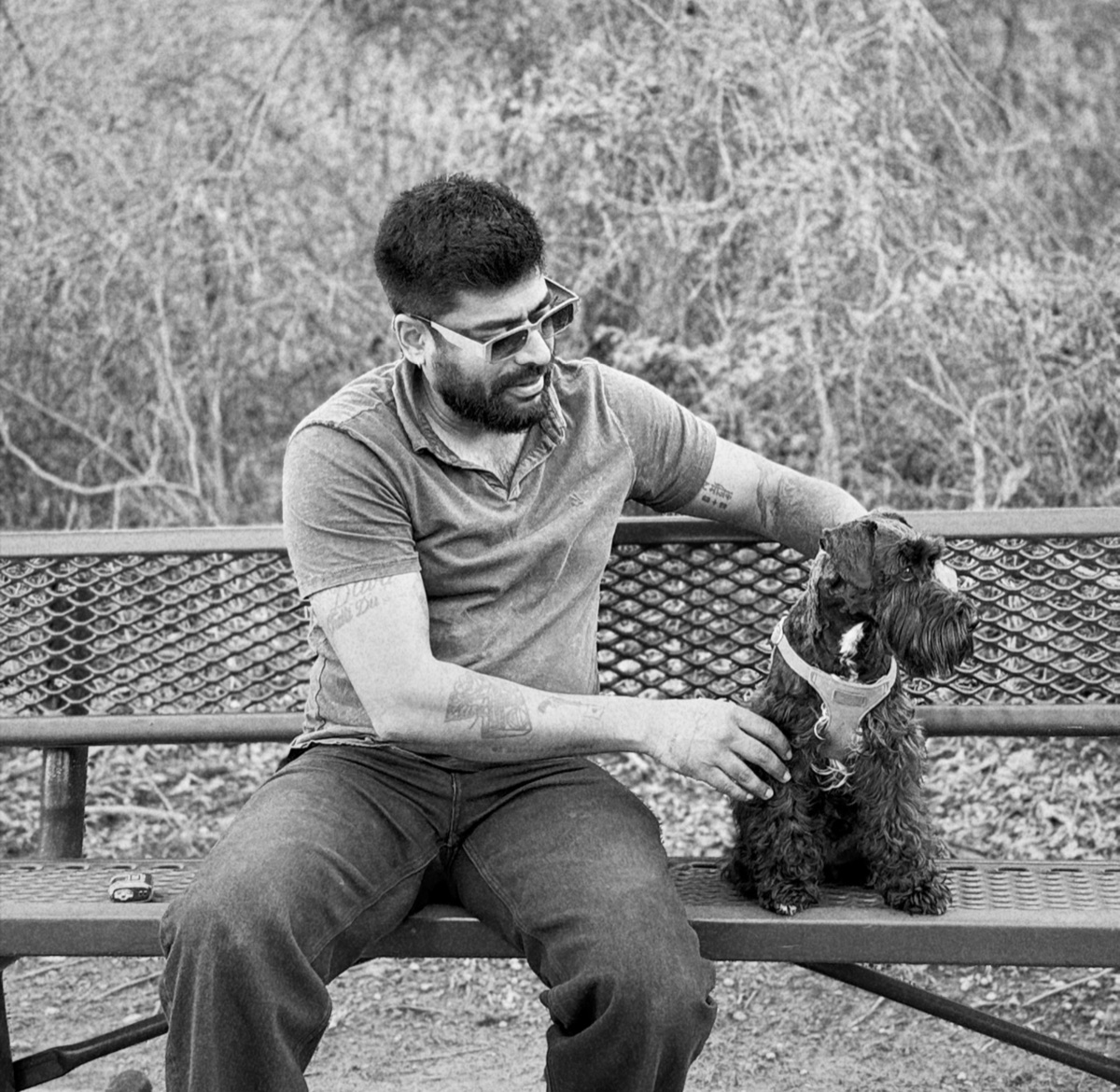
Prithvi Datla is the founder of Dinealog (dinealog.com) — a voice agent that answers the phone for restaurants. It takes takeout orders, manages reservations, and gives owners real-time visibility into their floor without adding a single hire. He also hosts Inside The Foundry, a podcast on the foundational moments and hard-won lessons of people who actually run things.
He’s also the founder of Kilobyte Collective, an AI lab made up of a small group of AI engineers.
Previously, he spent thirteen years in product, ecommerce, and digital operations — an edtech startup first, then two Fortune 25 companies. He left to build in hospitality: boutique hotels including a Tulum project later acquired by private equity, and Velvet House, which became Mexico’s best Indian restaurant. He closed it at its peak, on his own terms, rather than let its standard get negotiated away.
He holds bachelor’s and master’s degrees in Computer Science and Engineering and an MBA from Cornell.
This book is what was left after the deployments that didn’t work — every real-world RAG failure stripped down until only the part that actually moved the system remained.
Outside work, he’s a published photographer, golfer, surfer, diver, and dog dad.
prithvidatla.com